
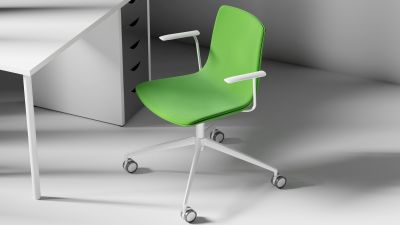
Modern work often looks physically light, yet many people notice increasing stiffness, tension, headaches, or fatigue building throughout the day.
Whether you’re at a desk, studying, driving, working from home, or managing household responsibilities, long periods in one position, combined with screen use and repetitive tasks, can create what we can think of as accumulated load.
As we’ve covered in previous posts, discomfort is rarely caused by a single “bad” posture alone. The body is adaptable, but spending long periods in the same position, particularly when combined with screen use and repetitive tasks, can gradually place more load on certain areas.
More often, discomfort develops from a combination of everyday factors such as:
- Time spent without changing position
- Reduced movement variety across the day
- Repetitive low-load tasks
- Stress and reduced recovery capacity
Let’s look at the physical effects of prolonged sitting and why they can build up over time.
Why long periods of sitting can lead to symptoms
Sitting itself is not inherently harmful. However, extended static positioning can influence comfort and tolerance in several ways.
1) Muscle activity and fatigue
Even when seated, postural muscles in the neck, upper back, and lower back remain active at low levels. Sustained low-grade muscle activity over many hours can increase sensitivity and the feeling of tightness in some people (Wahlström, 2005).
2) Reduced circulation and less loading variety
Movement helps circulate blood and regularly changes the way joints and soft tissues are loaded. When the body remains still for long periods, tissues receive less variation in movement and load, which may contribute to stiffness and discomfort (WHO, 2020).
3) Hip flexor and upper-back adaptation
Prolonged sitting keeps the hips in flexion and the upper back in a more rounded position. Over time, tolerance for extension, such as standing upright comfortably, reaching overhead, or walking briskly, may temporarily reduce, particularly if the day contains very little movement variety.
4) Tendon load from repetition
Typing and mouse use involve relatively low force, but they are highly repetitive. High repetition combined with workload spikes can contribute to tendon irritation and forearm discomfort in some individuals (Shariat et al., 2018).
5) Nervous system sensitivity (stress and sleep)
When stress levels are high and sleep is inconsistent, pain sensitivity can increase. During these periods, the same physical load may feel more irritating, even if nothing structural has changed.
Ergonomics isn’t about creating a perfect workstation, it’s about reducing unnecessary strain where possible.
Common contributors include:
- Screen positioned too low → sustained neck flexion
- Laptop-only setups → rounded shoulders and sustained wrist extension
- Unsupported lower back → prolonged lumbar flexion
- Mouse positioned too far away → sustained shoulder elevation or reaching
- Armrests too high or too low → upper trapezius tension
Even with a well-set workstation, however, long periods without movement can still lead to discomfort. Movement frequency remains important.
Early signs worth addressing
Some common early signs that accumulated load may be building include:
- Recurring neck or upper back tightness
- End-of-day lower back stiffness
- Forearm or wrist discomfort
- Headaches during or after screen-heavy days
- Tingling, numbness, or altered sensation in the hands
Addressing symptoms early is often easier than waiting until they become persistent.
When additional support may help
Many people don’t realise how much daily sitting, screen use, and repetitive tasks can contribute to the stiffness, tension, and fatigue that gradually build up over time.
Supportive treatments such as massage, chiropractic care, and acupuncture may help release accumulated tension, encourage circulation and mobility, and give the body a chance to reset from the demands of modern work and daily life.
If your body has been feeling the effects of long hours at a desk, regular treatment can be a simple way to support comfort, movement, and overall wellbeing.
You can book a session with our team at your convenience.
Preventative vs crisis care
There is a meaningful difference between:
Crisis care: seeking help once pain is severe, persistent, or affecting sleep or work.
Preventative management: addressing early warning signs, optimising workstation setup, and building sustainable movement habits.
Preventative care often requires fewer appointments and can contribute to more stable long-term outcomes.
How our services may support you
If symptoms are recurring or limiting, a tailored plan may help. Depending on individual presentation, our team may recommend:
Chiropractic care (where clinically appropriate): assessment of movement patterns and potential mechanical contributors, along with guidance on ergonomics and daily habits.
Massage therapy: may help support muscular tension, recovery, and stress-related muscle guarding.
Acupuncture: may assist with pain modulation and stress regulation for some individuals.
Dry needling (where clinically appropriate): may support management of myofascial pain patterns.
Naturopathy: may support sleep quality, stress management, nutritional adequacy, and supplementation guidance when appropriate.
If symptoms are worsening, persistent, or complex, it is important to also speak with your GP to rule out underlying medical causes.
The takeaway
Prolonged sitting doesn’t cause problems for everyone. However, extended static load combined with stress and repetition can contribute to accumulated strain over time.
The encouraging part is that many of these factors are modifiable.
In our next blog post, we’ll outline practical self-care strategies and a realistic two-week reset that desk and home workers can implement immediately.
Disclaimer – This article provides general information only and is not a substitute for personalised medical advice. If you have concerns about your health, please consult your GP or a suitably qualified healthcare professional.